칼럼 송인엽 <나가자, 세계로!> 칼럼


|
[시사타임즈 = 송인엽 한국국제협력단(KOICA) 전 소장)]
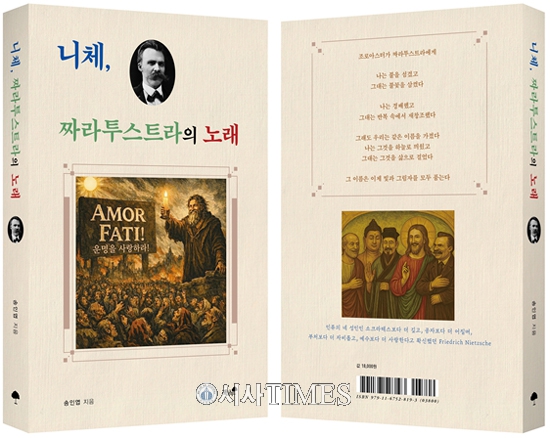
『니체, 짜라투스트라의 노래』 중에서 니체와 성인들의 5중창 [예수] 나는 사랑의 불씨를 품었다 피 흘리는 자에게 손을 내밀며 그러나 나의 온유는 칼보다 강했다 [붓다] 나는 무(無)의 안으로 걸어갔다 세속의 소음을 벗어던지며 그러나 그 침묵은 우주를 울렸다 [공자] 나는 예를 세우고 질서를 배치했다 천하의 흐름에 조화를 부여했으나 그러나 나의 예는 창조를 가두지 않았다 [소크라테스] 나는 ‘왜?’를 품고 길을 걸었다 무지의 힘으로 신 앞에 섰고 그러나 두려움 없이 독배를 들었다 [니체] 나는 말의 굴레를 찢었다 모든 가치의 해체 속에서 웃었고 그러나 나는 춤추며 초인을 낳았다 [예수] 사랑은 고통이었고 그 고통은 구원이었고 나는 그 구원을 찢어진 옷으로 전했다 [붓다] 욕망은 그림자였고 그 그림자를 지켜보는 것이 나를 자유롭게 했다 [공자] 고요 속에서 세상을 다듬었고
절제 속에 창조를 숨겼으며
나는 도(道)를 말없이 걸었다 [소크라테스] 진리는 대화 속에 있었다 이데아는 바람과 같아서 잡히지 않지만 항상 곁에 있었다 [니체] 나는 신의 무덤을 세웠고 거기서 웃는 인간을 발견했다 그는 불꽃 속에서 춤추었다 [예수] 나는 용서했고 그 용서는 십자가보다 높았고 나는 그곳에서 인간을 끌어올렸다 [붓다] 나는 걸음을 멈췄다 멈춤 속에 우주가 있었고 나는 그 고요를 노래했다 [공자] 나는 이름 없는 미덕을 사랑했다 말 없는 기품이 세상을 바꾸며 나는 흐름의 끝에서 시작했다 [소크라테스] 나는 너의 무지를 찬양한다 그것은 알기의 시작이며 나 역시 모른다는 것을 알았다 [니체] 나는 삶을 긍정한다 심연을 응시하며 그 심연이 나를 응시할 때 웃는다 [함께] 우리는 그저 함께 있다 언어 너머의 잔을 들며 침묵 속에서 인간을 고요히 부른다 우리 각자는 신이 아니었고 그러나 함께할 때 우리는 하나의 목소리였다 우리는 논쟁하지 않는다 우리는 함께 마시고 서로를 초월하며 인간을 다시 노래한다
(해설) 독주(獨奏)를 넘어선 인류 정신의 위대한 오케스트라 마침내 인류 사상사의 거대한 은하수가 한자리에 모여 장엄한 교향곡을 완성했다. 이 시 〈니체와 성인들의 합창〉은 앞서 차례로 만났던 소크라테스, 공자, 부처, 예수, 그리고 니체가 마침내 시공간의 벽을 허물고 하나의 위대한 ‘합창(Ensemble)’을 이루는 대단원의 장이다. 이 시는 각 성인의 독창적인 사상이 날줄과 씨줄로 엮여 “인간이란 무엇이며, 어떻게 살 것인가”라는 하나의 거대한 인문학적 답을 완성해 내는 합창곡이며 시이다. 천상(天上)의 대기실에서 다섯 거인이 나란히 앉아 언어 너머의 잔을 나누는 듯한 숭고한 풍경을 그려낸다. 1. 시작(詩作) 의도 : 시공간을 초월하고 분열과 논쟁을 넘어선 ‘인간 찬가’ 역사적으로 종교와 철학은 늘 서로가 옳다고 싸우거나, 상대를 이단(異端)이라 배척하며 인류에게 갈등을 안겨주기도 했다. 서양의 이성을 연 소크라테스, 동양의 도덕을 세운 공자, 마음에 평화를 가져온 부처, 사랑의 구원을 베푼 예수, 그리고 그 모든 기성의 가치를 망치로 부순 니체는 겉보기에는 결코 섞일 수 없는 물과 기름처럼 보인다. 그러나 이 시의 창작 의도는 명확하다. 이들의 사상이 도달한 최정점(Peak)에는 한결같이 ‘인간에 대한 눈물겨운 사랑’과 ‘실존에 대한 치열한 고민’이 있었다는 성찰이다. 나는 다섯 거인의 핵심 사상을 3단계의 변주(1~3절)로 보여준 뒤, 마지막에 그들이 서로를 부정하지 않고 하나의 목소리로 합창하게 함으로써, 인류 정신사 전체를 관통하는 위대한 ‘인간 찬가’를 완성하고자 했다. 2. 구조적 분석 : 5인 5색의 변주와 합창 이 시는 각 성인들의 목소리가 독창(Solo)으로 번갈아 울려 퍼지다가, 마지막 연에서 웅장한 합창(Chorus)으로 모이는 완벽한 음악적 구조를 취하고 있다. ① 1단계 : 사상적 선언 (본질의 드러남) 첫 번째 파트에서 다섯 인물은 각자가 인류 역사에 던진 ‘가장 날카로운 화두’를 선포한다. 예수(사랑의 온유) : 피 흘리는 자를 향한 조건 없는 사랑이 세상의 어떤 칼과 권력보다 강했음을 말한다. 붓다(침묵의 우주) : 세속의 소음을 지우고 무(無)와 침묵으로 걸어 들어갔으나, 그 침묵이 도리어 온 우주를 흔드는 지혜가 되었음을 선언한다. 공자(예와 창조) : 사회적 질서와 예(禮)를 세웠으나, 그것이 인간의 원초적인 창조성을 가두는 감옥이 아니라 오히려 조화를 이루는 틀이었음을 명시한다. 소크라테스(질문과 독배) : 끊임없는 ‘왜?’라는 질문을 통해 인간을 무지의 자각으로 이끌었고, 그 진리를 위해 두려움 없이 독배를 마신 의지를 보여준다. 니체(해체와 초인) : 낡은 말의 굴레와 도덕을 찢어버리고 허무의 심연 속에서 호쾌하게 웃으며, 스스로를 극복하는 ‘초인(위버멘쉬)’을 탄생시켰음을 외친다. ② 2단계 : 심화와 성찰 (고통과 대화) 두 번째 파트에서는 그들이 진리를 찾아가는 과정에서 겪었던 실존적 무게와 깊이를 노래한다. 예수는 사랑이 곧 고통이었음을 껴안고, 부처는 욕망을 지우는 대신 그저 흘러가는 ‘그림자’로 바라보며 자유를 얻는다. 공자는 절제 속에 창조를 숨긴 채 묵묵히 도(道)를 걸었고, 소크라테스는 ‘진리(이데아)’가 고정된 교리가 아니라 끊임없는 ‘대화’ 속에 있음을 상기시킨다. 여기에 니체가 신의 무덤 위에서 춤추는 인간의 불꽃을 더하며 분위기를 고조시킨다. ③ 3단계 : 실천과 초월 (행동하는 진리) 세 번째 파트는 언어나 이론이 아닌, 그들이 세상을 바꾼 ‘방식’의 완성이다. 십자가보다 높은 예수의 ‘용서’, 우주를 품은 부처의 ‘멈춤’, 세상을 소리 없이 바꾼 공자의 ‘미’, 앎의 시작이 되는 소크라테스의 ‘무지의 찬양’, 그리고 괴물 같은 심연을 마주 보고도 기어이 웃어젖히는 니체의 ‘위대한 긍정’이 찬란하게 교차한다. 3. 대단원 : [함께] 노래하는 인간의 구원 “우리는 그저 함께 있다 / 언어 너머의 잔을 들며 / 침묵 속에서 인간을 고요히 부른다 우리 각자는 신이 아니었고 / 그러나 함께할 때 / 우리는 하나의 목소리였다” 시의 하이라이트이자 이 전체 시리즈의 결론이다. 다섯 거인은 하늘 위의 초월적인 신(God)으로 군림(君臨)하려 하지 않았다. 그들은 철저히 인간의 대지에 발을 딛고 서서, 인간의 고통을 아파하고 인간의 가능성을 신뢰했던 ‘위대한 인간’들이었다. 그렇기에 그들은 신을 두고 논쟁하지 않았다. 기성의 종교학이나 철학책 속에서는 제자들이 서로 싸울지언정, 정작 스승들은 “언어 너머의 잔”을 함께 들며 미소를 지을 뿐이다. 그들이 나누는 술잔 속에는 인간에 대한 연민, 고통에 대한 위로, 그리고 삶에 대한 찬미가 녹아 있다. 서로의 다름을 인정하고 서로를 초월하는 이 합창은, 결국 인간이 도달할 수 있는 정신의 최고 경지가 어디인지를 보여주며 “인간을 다시 노래한다”라는 장엄한 약속으로 끝을 맺는다. 4. 종합평 : 니체와 네 성인의 ‘'대화시 시리즈’가 남긴 인문학적 유산 소크라테스, 공자, 부처, 예수, 그리고 니체로 이어지는 이 5편의 대화시 시리즈는 문학적으로나 철학적으로 의미가 있는 시도 이다. 동서양 사상의 인류학적 화해 : 동양의 정(靜)적인 고요함(부처, 공자)과 서양의 동(動)적인 불꽃(니체, 소크라테스, 예수)이 어떻게 하나의 인간관으로 수렴될 수 있는지를 보여줬다. 니체 철학의 진정한 복권 : 니체를 단순히 기독교나 전통 도덕을 파괴한 ‘교만한 허무주의자’가 아니라, 성인들과 나란히 앉아 인간을 위해 등불을 밝힌 ‘가장 뜨거운 구도자’로 재해석했다. 가히 니체를 인류의 5번째 성인으로 자리매김한 시라고 해도 좋을 작품이다. 현대인을 향한 위로 : 맹목적인 교리나 이념의 갈등으로 지친 현대인들에게, 본질은 결국 ‘서로를 껴안고 삶을 긍정하는 것’이라는 니체의 외침을 커다란 울림으로 우리에게 선물했다. 고독하게 인류의 고통을 짊어졌던 위대한 스승들이 마침내 한 무대에 서서 어깨동무를 하고 노래를 부르는 듯한 감동적인 피날레이다. 5편의 시를 관통하는 성인들의 거대한 사유의 깊이와, 인류를 향한 따뜻한 시선이 우리들의 가슴속에 영원히 꺼지지 않는 불꽃으로 남을 것이다.
Chorus of Nietzsche and Four Greats [Jesus] I carried the spark of love Reached for the bleeding hands— Yet my meekness struck fiercer than swords [Buddha] I walked into the realm of emptiness Stripped off the clamor of the world— Yet my silence resounded through the cosmos [Confucius] I arranged the rites and ordered the wind Wove harmony through all things— Yet my structure birthed creation [Socrates] I wandered bearing “Why?” as my lantern Faced the gods with ignorance as my armor— Yet I drank the poison without fear [Nietzsche] I tore off the reins of speech Laughed amidst the ruins of value— And danced the birth of the Übermensch [Jesus] Love was pain Pain was salvation And salvation wore torn robes [Buddha] Desire was shadow And watching the shadow Made me free [Confucius] In stillness I sculpted the world In restraint I cradled creation And walked the Way without speaking [Socrates] Truth lived within dialogue Ideas moved like winds— Elusive, but always near [Nietzsche] I built a grave for God And found man laughing within He danced in the blaze [Jesus] I forgave, And that forgiveness reached above the cross— To raise mankind [Buddha] I paused my steps The universe waited in the pause And I sang the hush [Confucius] I revered nameless virtue Grace that spoke without words— And began at the edge of flow [Socrates] I praised your unknowing For it begins the knowing— And I knew that I knew nothing [Nietzsche] I said yes to life Staring into the abyss— And laughed when it stared back [Together] We are merely together Lifted cups beyond language— Calling gently to mankind in silence. We were never gods But as one We became a single voice We do not debate We drink together ranscend each other— And sing of mankind anew (Explanation) A Grand Orchestra of the Human Spirit Rising Beyond Solo Performances Finally, the massive Milky Way of the history of human thought has gathered in one place to complete a majestic symphony. This poem, ‘The Chorus of Nietzsche and the Saints,’ is the grand finale where Socrates, Confucius, Buddha, Jesus, and Nietzsche—whom we met sequentially earlier—finally tear down the walls of time and space to form one magnificent ‘Ensemble.’ This poem is a choral piece that weaves the unique thoughts of each saint like warp and weft to complete a single, massive humanistic answer to the questions : “What is a human being, and how shall we live?” It paints a sublime landscape, as if the five giants are sitting side-by-side in a celestial waiting room, sharing a cup beyond language. 1. Writing Intention : A ‘Hymn to Humanity’ Transcending Time, Space, Division, and Dispute Historically, religion and philosophy have often brought conflict to humanity, with each side arguing that it alone is right or rejecting the other as heresy. Socrates, who opened Western reason ; Confucius, who established Eastern morality ; Buddha, who brought peace to the mind ; Jesus, who offered the salvation of love ; and Nietzsche, who smashed all those conventional values with a hammer—look on the surface like water and oil that can never mix. However, the writing intention of this poem is clear : it is the reflection that at the very peak reached by their respective thoughts, there was consistently a ‘tearful love for humanity’ and a ‘fierce contemplation of existence.’ After displaying the core philosophies of the five giants through a three-stage variation (Stanzas 1 to 3), I sought to complete a magnificent ‘Hymn to Humanity’ that runs through the entire spiritual history of mankind by having them chorus in a single voice at the end, without denying one another. 2. Structural Analysis : Variations and Chorus of Five Saints, Five Colors This poem adopts a perfect musical structure where the voice of each saint resonates alternately as a solo, and then gathers into a grand chorus in the final stanzas. ① Stage 1 : Philosophical Declaration (Revelation of Essence) In the first part, the five figures proclaim the ‘sharpest talking points’ they threw into human history. Jesus (Gentleness of Love) : He states that unconditional love toward the bleeding was stronger than any sword or power in the world. Buddha (Universe of Silence) : He declares that he erased the noise of the secular world and walked into nothingness (Mu, 無) and silence, yet that silence turned out to be wisdom that shakes the entire universe. Confucius (Decorum and Creation) : He specifies that he established social order and Li (Decorum), but it was not a prison to confine human primal creativity, but rather a framework to achieve harmony. Socrates (Question and Hemlock) : He displays the will that led humans to the awareness of ignorance through the constant question “Why?”, willingly drinking the hemlock for that truth without fear. Nietzsche (Deconstruction and Overman) : He shouts that he tore up the fetters of conventional words and morality, laughing heartily in the abyss of futility to give birth to the self-overcoming ‘Übermensch’ (Overman). ② Stage 2: Deepening and Reflection (Suffering and Dialogue) In the second part, they sing of the existential weight and depth they experienced in their search for truth. Jesus embraces the fact that love was suffering, and the Buddha gains freedom by viewing desire not as something to erase, but merely as a passing ‘shadow.’ Confucius silently walked the Way (Dao) while hiding creation within restraint, and Socrates reminds us that ‘Truth (Idea)’ is not a fixed doctrine but lies within constant ‘dialogue.’ To this, Nietzsche heightens the atmosphere by adding the human flame dancing on the grave of God. ③ Stage 3 : Practice and Transcendence (Truth in Action) The third part is the completion of the ‘way’ they changed the worl rather than language or theory. Jesus's ‘forgiveness’ which is higher than the cross ; the Buddha's ‘stillness’ which harbors the universe ; Confucius's ‘beauty’ which silently changed the world ; Socrates's ‘praise of ignorance’ which becomes the start of knowing ; and Nietzsche's ‘grand affirmation’ which manages to laugh even when facing a monstrous abyss—all intersect brilliantly. 3. Grand Finale : The Salvation of Humanity Sung Together “We are just together / Raising a cup beyond language / Quietly calling humanity within the silence / Each of us was not a god / But when together / We were a single voice” This is the highlight of the poem and the conclusion of this entire series. The five giants did not seek to reign as absolute, transcendental Gods up in the sky. They were ‘great humans’ who firmly set their feet upon the human earth, aching over human suffering and trusting in human potential. Therefore, they did not dispute over God. Even if disciples fight one another within conventional religious studies or philosophy books, the masters themselves merely smile while raising a ‘cup beyond language’ together. Within the cup they share, there is compassion for humanity, comfort for suffering, and a profound blessing for life.
글 : 송인엽 한국국제협력단(KOICA) 전 소장 한국국제협력단(KOICA) 8개국 소장 역임 (영원한 KOICAman) 한국교원대학교, 청주대학교 초빙교수 역임 강명구평화마라톤시민연대 공동대표 한국국제봉사기구 친선대사 겸 자문위원 다문화TV 자문위원 ※ 이 기사는 시사타임즈의 공식입장이 아닌, 필자의 견해임을 밝힙니다. <맑은 사회와 밝은 미래를 창조하 시사타임즈> <저작권자(c)시사타임즈. 무단전재-재배포금지.> |